Main article: Digital Marketing — Complete Guide
Introduction
Digital marketing is the set of online activities businesses use to find, engage and convert customers. Unlike traditional advertising (print, TV, radio), digital marketing uses internet-based channels and data to target audiences more precisely and measure performance in near real time. This guide breaks down the core channels, benefits, strategy steps, tools and metrics so you can plan and run campaigns that actually move the needle.
What is digital marketing?
At its core, digital marketing is any marketing that uses digital channels — websites, search engines, social media, email, mobile apps, and online advertising — to reach customers. It includes:
- Owned channels (e.g., your website, blog, email lists).
- Earned channels (e.g., organic search, social shares, PR).
- Paid channels (e.g., search ads, social ads, display ads).
Each channel plays a role in the customer journey: awareness, consideration, conversion, retention, and advocacy. Effective digital marketing ties these channels together with consistent messaging and measurement.
Core digital marketing channels (brief)
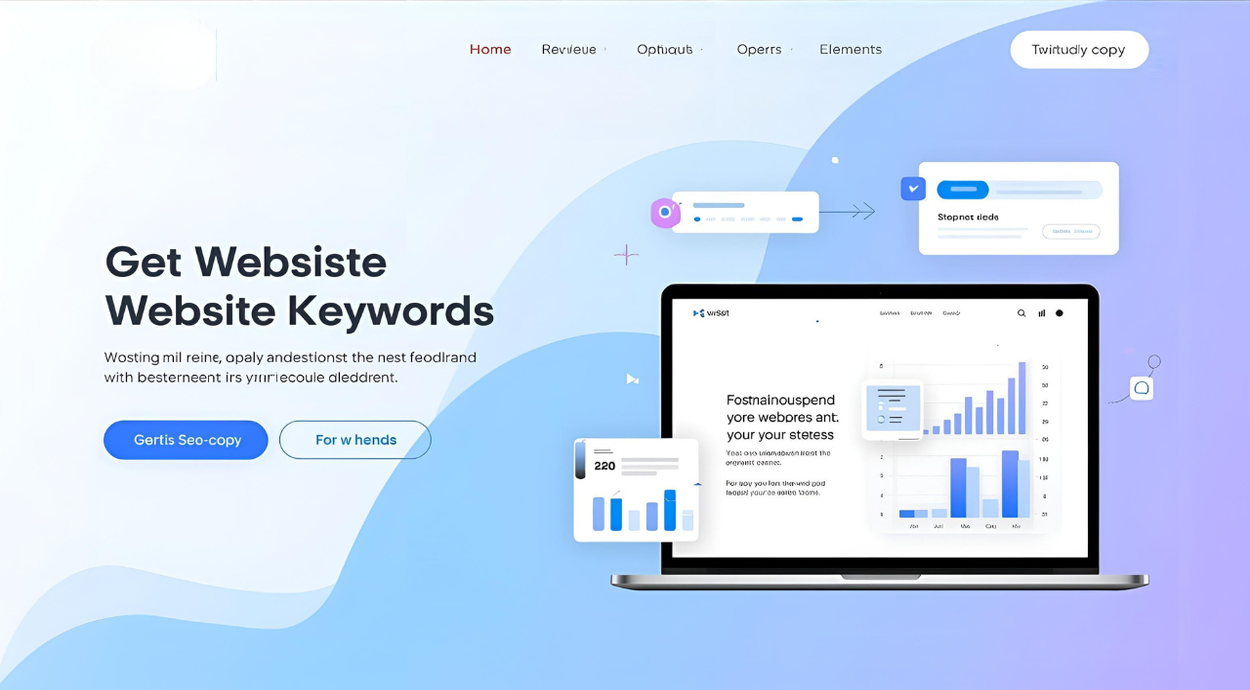
Search Engine Optimization (SEO)SEO is optimizing your site and content so search engines rank it higher for relevant queries. Tactics include keyword research, on-page optimization (titles, headings, meta tags), technical SEO (site speed, mobile friendliness), and link building.
Search Engine Marketing (Paid Search / SEM)Paid search (e.g., Google Ads) places your message in front of users actively searching for products or services. It’s highly intent-driven and typically used for immediate visibility and conversions.
Content MarketingContent marketing creates useful content (blogs, videos, guides, podcasts) that attracts and engages your audience. Good content supports SEO, builds trust, and feeds social and email channels.
Social Media MarketingSocial channels (Facebook, Instagram, LinkedIn, X/Twitter, TikTok) help with brand awareness, community building, and performance advertising. Different platforms serve different audience types and objectives.
Email MarketingEmail is one of the highest-ROI channels for nurturing leads, onboarding customers, and driving repeat purchases. Segmentation and personalization are key.
Paid Display / ProgrammaticDisplay ads (banners, video) and programmatic buying help you reach users across sites and apps — useful for brand awareness and retargeting.
Influencer & Affiliate MarketingInfluencers and affiliates promote products to their audiences, often on a performance basis. They extend reach and add social proof.
Why digital marketing matters — top benefits
- Precision targeting: reach specific audiences by demographics, behaviors, search intent or interests.
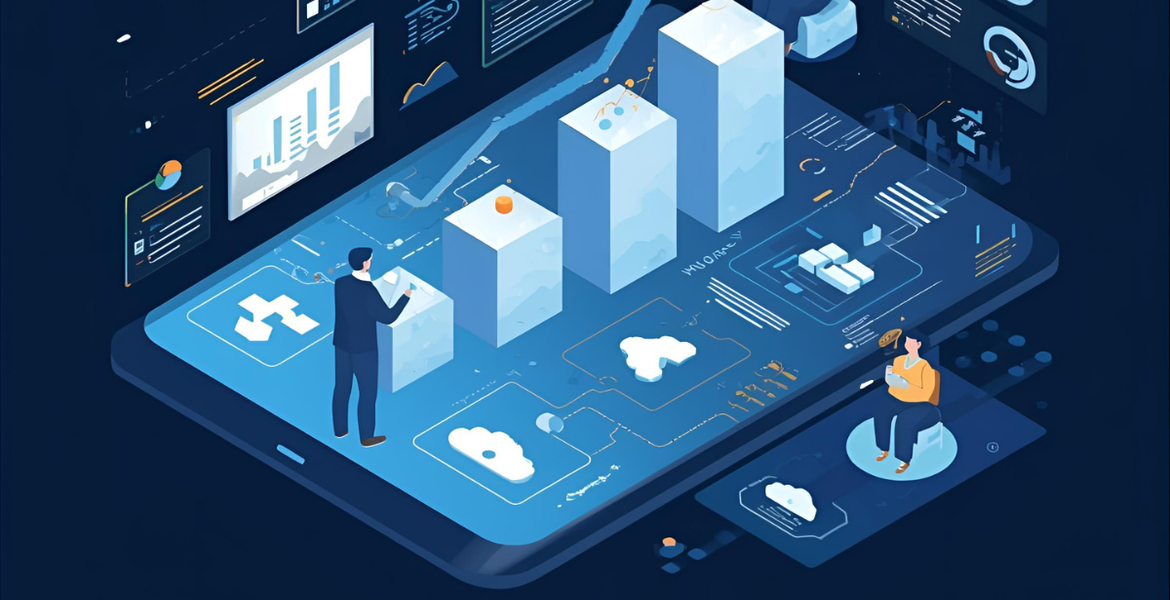
- Measurable results: track impressions, clicks, leads, and revenue to know what’s working.
- Cost control: set budgets by campaign, adjust bids, pause underperforming ads instantly.
- Speed and flexibility: launch campaigns quickly and iterate based on real data.
- Scalability: scale successful campaigns up (or down) with predictable cost metrics.
How to build a simple, effective digital marketing strategy
Follow these practical steps:
- Define clear goals — e.g., increase website leads by 25%, improve ecommerce revenue by 15%, or grow email list to 5,000 subscribers.
- Know your audience — create simple buyer personas: who they are, where they hang out online, what problems they want solved.
- Choose the right channels — pick 2–3 channels that match your audience and goals instead of trying to be everywhere.
- Craft the offer and content — build landing pages, blog posts, ad creatives and email flows that speak to the audience’s needs.
- Set KPIs and measurement — decide which metrics matter (traffic, CTR, conversion rate, CAC, LTV) and set up analytics.
- Test and iterate — run A/B tests for headlines, ad copy, and landing pages; double down on winners.
- Plan budget & timeline — allocate budget by channel and expected cost-per-action; review monthly.
Key metrics to track (the basics)
- Traffic & Sessions — how many visitors you get.
- Click-through rate (CTR) — % of people who click an ad or link.
- Conversion rate — % of visitors who complete a desired action (lead, purchase).
- Cost per Acquisition (CPA) / Customer Acquisition Cost (CAC).
- Average Order Value (AOV) & Customer Lifetime Value (LTV).
- Return on Ad Spend (ROAS) & overall Marketing ROI.
Tools & platforms (common, reliable choices)
You don’t need every tool — pick a few that cover analytics, content publishing, email, and ads:
- Web analytics: Google Analytics, Google Search Console.
- SEO & keyword tools: Moz, Ahrefs, SEMrush (for research and audit).
- Advertising platforms: Google Ads, Meta Ads Manager, LinkedIn Ads (B2B).
- Email & automation: Mailchimp, HubSpot, ActiveCampaign.
- Content & social scheduling: WordPress, Canva, Buffer/Hootsuite.
Quick practical checklist to launch your first campaign
- Set a clear objective (awareness, leads, sales).
- Identify target audience and 1–2 channels.
- Create a simple offer + landing page with a single call-to-action.
- Prepare one paid ad set and organic content to support it.
- Install analytics and conversion tracking before launch.
- Run campaign for a fixed test period (e.g., 2–4 weeks).
- Review metrics, pause what fails, scale what converts.
Common mistakes to avoid
Trying to be on every channel at once; focus beats coverage.
Measuring vanity metrics only (likes, impressions) instead of conversions; track value metrics.
Not testing creative or messaging; small tests drive large improvements.
References & further reading
Suggested trusted sources for deeper learning:
- Google (Analytics & Search Console) — for measurement and search health.
- HubSpot — for inbound marketing guides and templates.
- Content Marketing Institute — for content strategy and planning.
- Moz / Ahrefs / SEMrush — for SEO research and best practices.
- Industry experts like Neil Patel, Rand Fishkin — for tactical how-tos.
Conclusion — ready to start?
Digital marketing levels the playing field: with the right strategy, small teams can compete with larger brands by targeting, measuring, and iterating quickly. Start small, track what matters, test often, and scale proven tactics. If you follow the steps above — define goals, pick channels, create a strong offer, measure — you’ll build campaigns that deliver predictable results.
FAQ (short)
Q: How long before I see results from digital marketing?It depends on the channel: paid ads can produce leads immediately once live; SEO and content typically require several months to build organic traction. Use paid channels for short-term demand and content/SEO for long-term, sustainable growth.
Q: How much should I budget?Budget depends on goals and industry. Start with a modest test budget (e.g., the equivalent of a few hundred dollars or local currency per channel for small businesses), measure CPA, and scale the channels that deliver the best ROI.
Q: Do I need an agency or can I do it in-house?Both are possible. In-house gives control and cost savings over time; agencies provide speed, expertise, and scale. Many businesses blend both: agency for strategy + training, in-house for day-to-day execution.
Filed Under