Definition
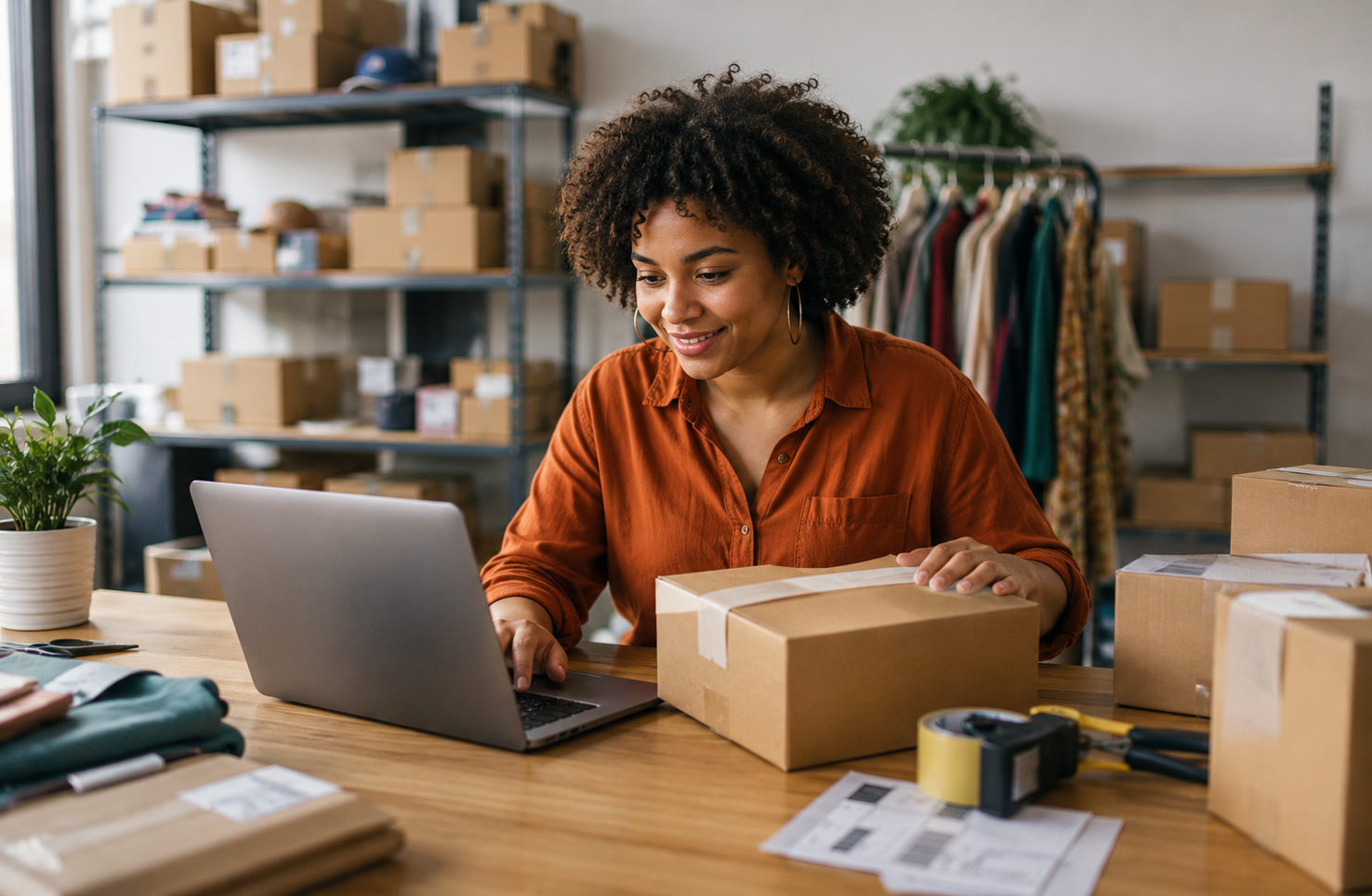
Dropshipping is an order fulfillment method where a business is not required to store or own the products it sells. Instead, the seller lists and sells the product, then passes the order to a third-party supplier, who processes and ships it directly to the customer. The main job of the store owner is to attract customers willing to buy the listed items. You don't need to own any inventory, but you can still list and sell as many products as you like. Before you jump in, understand that dropshipping is not a get-rich-quick scheme. It's one of the first business models people try when starting out online with little capital, and it can seem like easy money since you're selling other people's goods and taking a cut. But it requires real work: you still need to acquire customers, manage your store, and in some cases pay recurring platform fees whether or not you make a sale. Approached the right way, with the right tools, dropshipping can grow into a genuinely profitable business, just not usually as quickly as people hope.Who is a dropshipper?
A dropshipper is a person or business that sells products owned and managed by a third party, rather than warehousing and shipping the products themselves.Benefits of dropshipping
Dropshipping is popular because it's accessible to almost anyone willing to start an online store with limited funds. Here are the main advantages.- Requires less capital. This is one of the biggest advantages of dropshipping: you can launch an e-commerce store without investing in inventory upfront. Traditional retail requires arranging capital to purchase stock before you can open a store. With dropshipping, you don't buy a product until a customer has already paid for it, which also means less risk when testing a new product line.
- Easy to get started. Running dropshipping is far simpler than a traditional e-commerce business. You don't need a warehouse, you don't pack or ship orders yourself, you don't track inventory for accounting purposes, and you're not tied to one product or supplier. Returns and inbound shipments are also handled by the supplier, not you.
- Low overhead. Because you're not purchasing or managing inventory, your running costs stay low. Many dropshipping stores start as home-based businesses needing little more than a laptop and a few recurring subscriptions. Costs will grow as you scale, but they typically stay well below what a traditional retail business requires.
- Location flexibility. A dropshipping business runs anywhere you have an internet connection and can communicate with suppliers and customers.
- Wide product selection. Since you don't need to pre-purchase items, you can list a broad range of products at no extra cost, sourced from as many suppliers as you find reliable.
- Easier to test new products. Dropshipping lets you gauge customer interest in a product or category before committing to buying inventory in bulk, which makes it useful both for new stores and for testing expansion ideas.
- Scales more easily. In a traditional retail business, more orders usually mean more manual work. With dropshipping, suppliers absorb most of the fulfillment work, so you can grow with fewer operational headaches. Sales growth still brings more customer support work, but dropshipping scales more smoothly than traditional e-commerce overall.
Challenges of dropshipping
Dropshipping is attractive, but it comes with real downsides worth understanding before you start.- Low margins. Because it's easy and cheap to start a dropshipping store, competition is fierce. Stores with minimal investment can undercut on price, often with lower-quality websites and weaker customer service. Many customers will still choose the cheapest option over a better shopping experience. This is a real challenge, but building a trusted brand over time helps customers choose you regardless of price.
- Inventory issues. When you stock your own products, tracking stock levels is simple. When you're sourcing from multiple suppliers who are also fulfilling other merchants' orders, inventory can change daily. Fortunately, several apps now sync with suppliers so you can see real-time stock levels and pass along orders with a click.
- Supplier errors become your problem. If a supplier makes a mistake, fails to deliver, or damages an item, the customer blames you, not the supplier. Even reliable dropshipping providers make mistakes occasionally, and unreliable ones can cause ongoing frustration. Missing items, damaged goods, and poor packaging all reflect on your brand's reputation, whether or not the fault was yours.
- Limited customization and branding. Unlike made-to-order or print-on-demand products, dropshipping gives you little control over the product itself. Design and branding decisions sit with the supplier. Some suppliers, including some on Alibaba, will accommodate customization requests, but the supplier retains most of the control.
- Complicated shipping costs. Working with multiple suppliers usually means working with multiple logistics providers, which complicates your shipping costs and can confuse customers. If a customer orders several items from different suppliers, you may incur several separate shipping charges, none of which you'll want to pass directly to the customer as separate line items. This also makes it harder to calculate your true store expenses.
Work With Withubb
Building a website or web app?
We design and build websites and software for businesses across Nigeria and beyond. If you have a project in mind, we are happy to talk it through.
Dropshipping in Nigeria: what's different
The fundamentals above apply anywhere, but a few things matter specifically for anyone running a dropshipping business from Nigeria. Nigeria's e-commerce market has been growing fast, with transaction volumes projected to climb sharply through 2026 as more consumers shift spending online. But most small online sellers in Nigeria still rely heavily on social media rather than standalone stores or marketplaces, largely because it's cheaper and easier to reach customers on platforms they already use daily. That reality shapes how a lot of dropshipping happens locally: many sellers start on Instagram or WhatsApp before building a proper website. A few practical points to keep in mind:- Payments. International dropshipping suppliers often expect payment in dollars, while your Nigerian customers will expect to pay in naira through familiar local rails. Payment processors like Paystack and Flutterwave make this easier by letting you collect naira locally, though you'll still need to account for currency conversion and transfer costs when pricing your products.
- Shipping and customs. Many popular dropshipping suppliers ship from China or other countries with long delivery windows, sometimes several weeks, and shipments can face customs delays or additional charges at the Nigerian border. Set honest delivery expectations with customers upfront to avoid disputes.
- Trust matters more. Cash-on-delivery and a general wariness of paying online upfront remain common in the Nigerian market. Building visible trust signals, like clear return policies, real customer reviews, and responsive support, matters more here than in markets where online payment is already the default habit.
How to succeed in dropshipping
Like any legitimate way to build income, dropshipping comes with real work attached. It's one of the more accessible ways to start a business, but it isn't stress-free. A few strategies make the difference between a store that struggles and one that grows:- Research deeply to choose the right niche and reliable suppliers.
- Work with multiple suppliers to improve reliability and give yourself a backup plan.
- Choose products carefully, making sure they stay available or have easy substitutes.
- Track your data and analytics to see what's working and what needs adjusting.
- Prioritize customer service, since it's often the main thing keeping shoppers loyal to you over a cheaper competitor.
Is dropshipping right for you?
Dropshipping tends to work best for people willing to treat it as a real business rather than a side experiment: those comfortable with marketing and customer acquisition, patient enough to build trust with an audience over time, and organized enough to manage multiple supplier relationships without losing track of orders. If that sounds like you, it's a genuinely low-barrier way to get started in e-commerce.Conclusion
Dropshipping isn't a shortcut, but it is one of the more realistic ways to start an online business with limited capital. It comes with built-in complications, from low margins to supplier errors to shipping headaches, but none of them are dealbreakers with careful planning and the right systems in place. We'll be covering more on dropshipping in future articles, including deeper looks at niche selection and supplier vetting. If you need a professional, custom-built website for your dropshipping store or any other business, Contact Withubb Ltd to get started.Filed Under